
 Pin
Pin
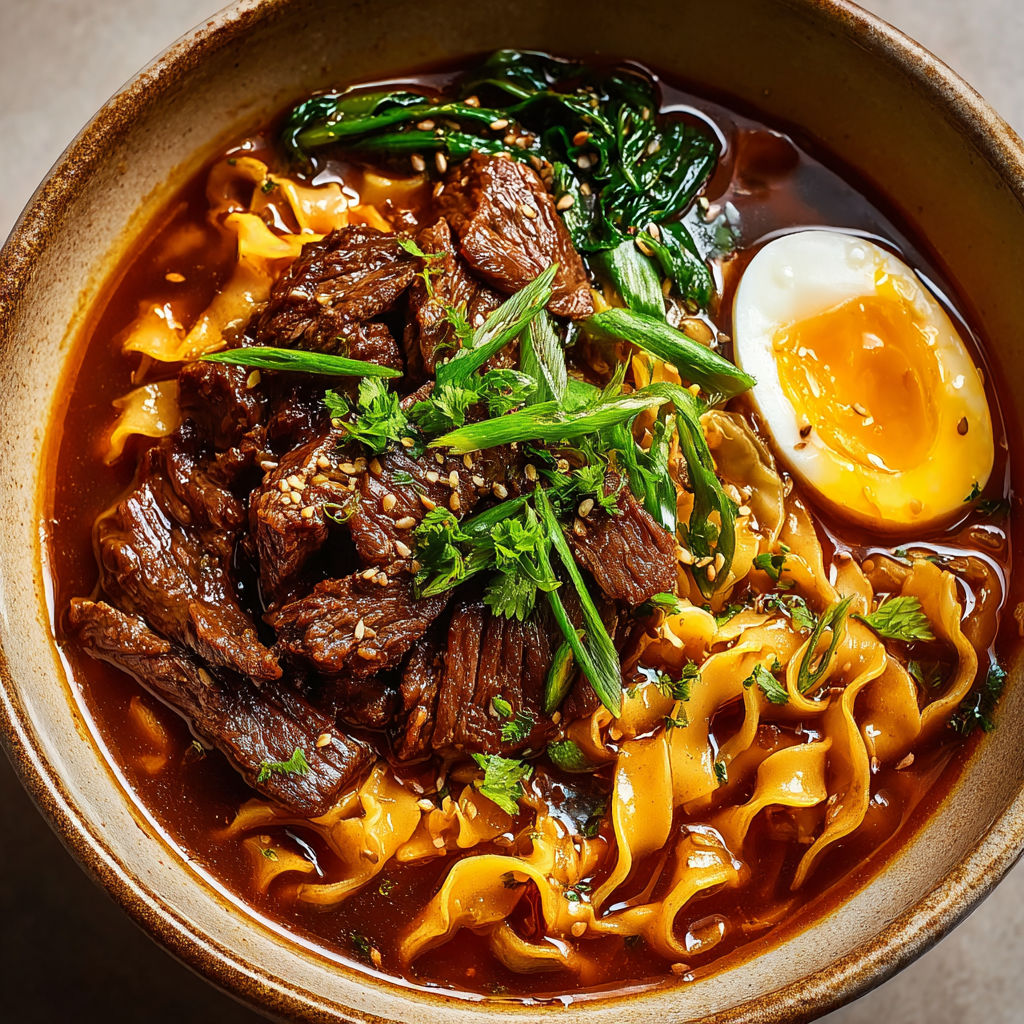
Korean Beef Noodles are the answer to cozy nights when you want something deeply savory with a hint of sweetness and just the right amount of warming spice. Inspired by classic Korean flavors but pantry-friendly enough for any home cook this dish transforms simple beef and noodles into a bowlful of comfort. It simmers low and slow for melt-in-your-mouth results so you barely need to do more than let time work its magic.
The first time I made this for a family gathering it disappeared faster than anything else on the table. Now whenever there is a chilly evening or I want guaranteed smiles at dinner Korean Beef Noodles are my go-to.
Ingredients
- Beef chuck: rich cut that becomes extra tender with slow cooking choose pieces with good marbling
- Beef broth or stock: base of the broth gives deep flavor go for low sodium to control saltiness
- Water: stretches the broth and keeps the stew from becoming too rich
- Soy sauce: classic Korean umami and salt choose a naturally brewed bottle if possible
- Brown sugar: gives subtle sweetness which balances the heat and spice
- Fresh ginger: lifts the sauce with bright heat peel before mincing for best results
- Garlic: brings warmth and depth fresh cloves give stronger flavor compared to pre-minced
- Sesame oil: adds nutty aroma and toasted note look for cold-pressed for richest flavor
- Black pepper: for a touch of earthy heat grind fresh for brightness
- Gochujang: essential for the red spicy sweet signature flavor buy from a Korean grocer if you can
- Noodles: choose thick chewy noodles like udon or ramen dried or fresh as available
- Green onions: add color and freshness slice thinly on the diagonal for prettiest look
- Sesame seeds: for nutty crunch toast them briefly for even more flavor
- Cilantro: brightens the whole dish with herbal notes optional but lovely if you enjoy it
Instructions
- Prepare the Beef:
- Cube the beef into one-inch pieces and season each piece with a sprinkling of black pepper pressing it in so it sticks. This helps infuse flavor right from the start and ensures every bite is tasty even before the beef meets the sauce.
- Mix the Sauce:
- Combine beef broth soy sauce brown sugar minced ginger minced garlic sesame oil and gochujang in a large bowl. Whisk until the sugar completely dissolves and the sauce turns a deep reddish-brown. Make sure the gochujang is fully incorporated so the spicy notes are even throughout.
- Place in Slow Cooker:
- Lay the seasoned beef pieces in the bottom of the slow cooker in a single layer if possible. Pour the sauce mixture evenly over the beef making sure each piece is coated. At this stage you can already smell the mingling aromatics.
- Cook:
- Cover the slow cooker and set it to low for six to eight hours or high for three to four hours. Let the beef simmer gently until it becomes fork-tender and the aromatic sauce thickens. Resist the urge to uncover as steam is key to tender results.
- Prepare Noodles:
- About twenty minutes before the beef is ready bring a pot of water to a boil. Add your noodles and cook until just done following package directions. Drain them well so the final dish is not watery. Set the noodles aside keeping them separate so they do not overcook.
- Combine:
- When the beef is perfectly tender add the cooked noodles to the slow cooker. Use a pair of chopsticks or tongs to gently toss noodles with the sauce and beef letting the noodles soak up some broth but still hold texture.
- Serve:
- Scoop generous helpings of beef and noodles into bowls. Top each with green onions a sprinkle of sesame seeds and cilantro leaves if desired. Serve hot with extra broth spooned over if you want it soupier.
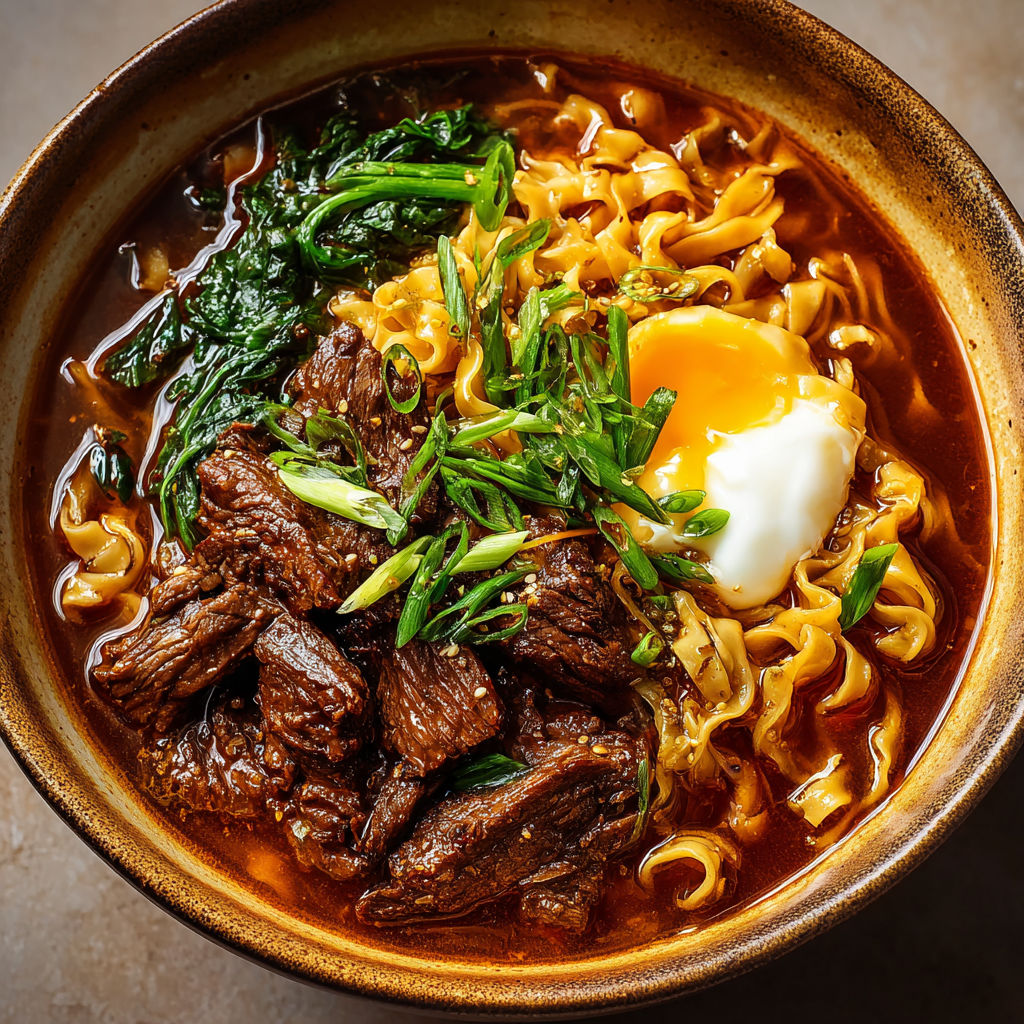
The gochujang makes this dish really special for me its sweet heat always reminds me of eating out with friends at a local Korean spot where we shared huge bowls and lots of laughter. The sesame oil is my other must-have it rounds everything out with irresistible richness.
Storage Tips
Let any leftovers cool completely before transferring to airtight containers. This dish keeps well in the fridge for three days. If you want to freeze it store the beef and broth separately from the noodles (noodles can get mushy if frozen in broth).
Ingredient Substitutions
Brisket or even stew meat can stand in for beef chuck if needed just watch the cooking time as they may become tender faster. Tamari or coconut aminos can work in place of soy sauce for those avoiding gluten. For more veggies add carrots mushrooms or a handful of spinach right before serving.
Serving Suggestions
Serve with a squeeze of lime or a drizzle of extra gochujang for more heat. Steamed bok choy or a crunchy cucumber salad makes a fresh cooling side dish. I sometimes top with roasted peanuts for extra crunch.
Cultural Context
This recipe is inspired by Korean comfort food and the use of gochujang reflects how central fermented chili paste is in Korean cooking. While not strictly traditional noodle stew it celebrates the flavors that make Korean home food so beloved: balance of heat sweetness umami and texture.
Seasonal Adaptations
Add sturdy greens like kale or napa cabbage during winter for more body. In spring toss in asparagus or peas at the last minute for brightness. Lighten it up in summer by serving with chilled noodles and lots of crisp veggies on top.
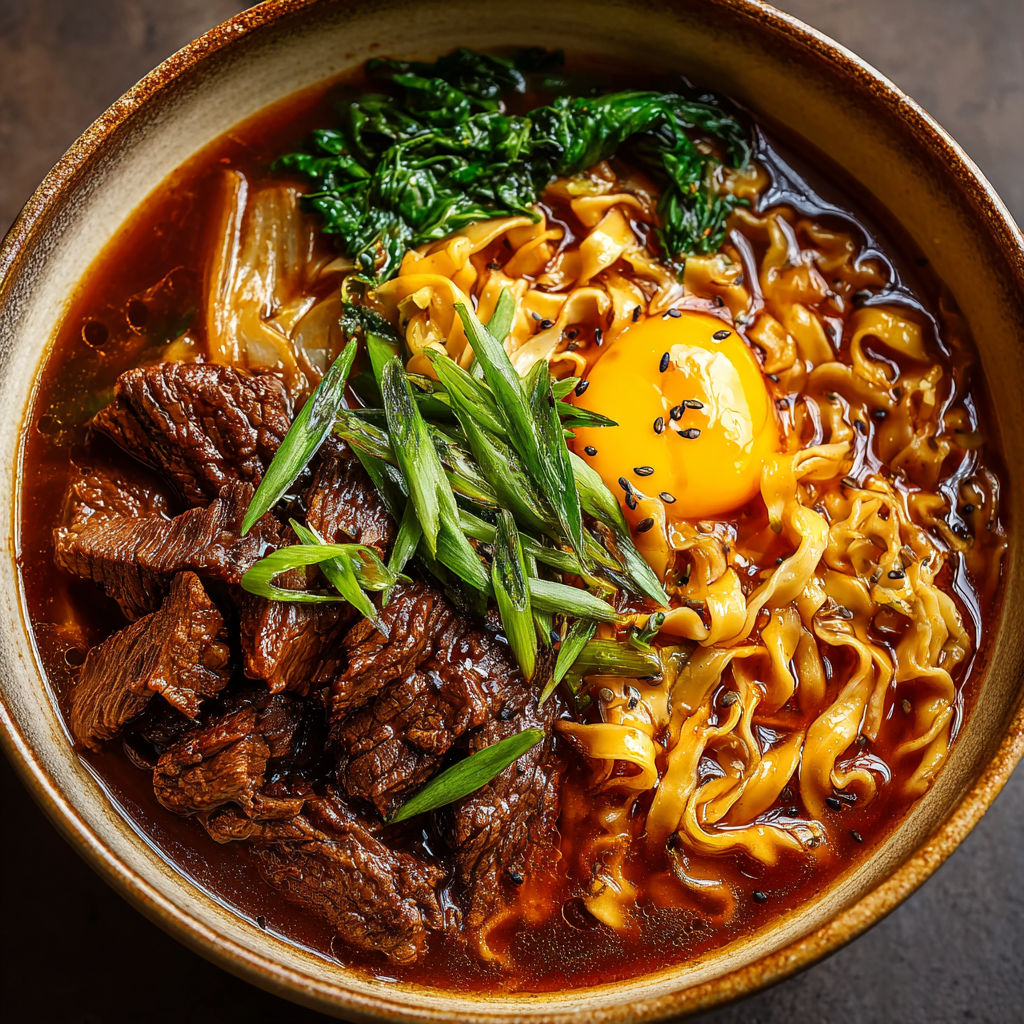
If you want a dinner win with minimal fuss this recipe will make you a hero. Each bite of beefy noodles brings you the warmth of home and the excitement of bold Korean flavors.
Recipe Q&A
- → What cut of beef works best?
Beef chuck is ideal as it becomes tender and flavorful during slow cooking, absorbing the broth's richness.
- → Which noodles can I use?
Udon, ramen, or other wheat noodles work well, but you can substitute with rice noodles if preferred.
- → How can I adjust the spice level?
Reduce or increase the gochujang to control the heat. Add extra chili oil or flakes for more spice.
- → Can I prepare this without a slow cooker?
Yes, simmer the beef and sauce mixture on low heat in a heavy pot until the meat is tender.
- → What are good garnish options?
Fresh cilantro, sliced green onions, and sesame seeds add freshness and crunch to the finished noodles.