
 Pin
Pin
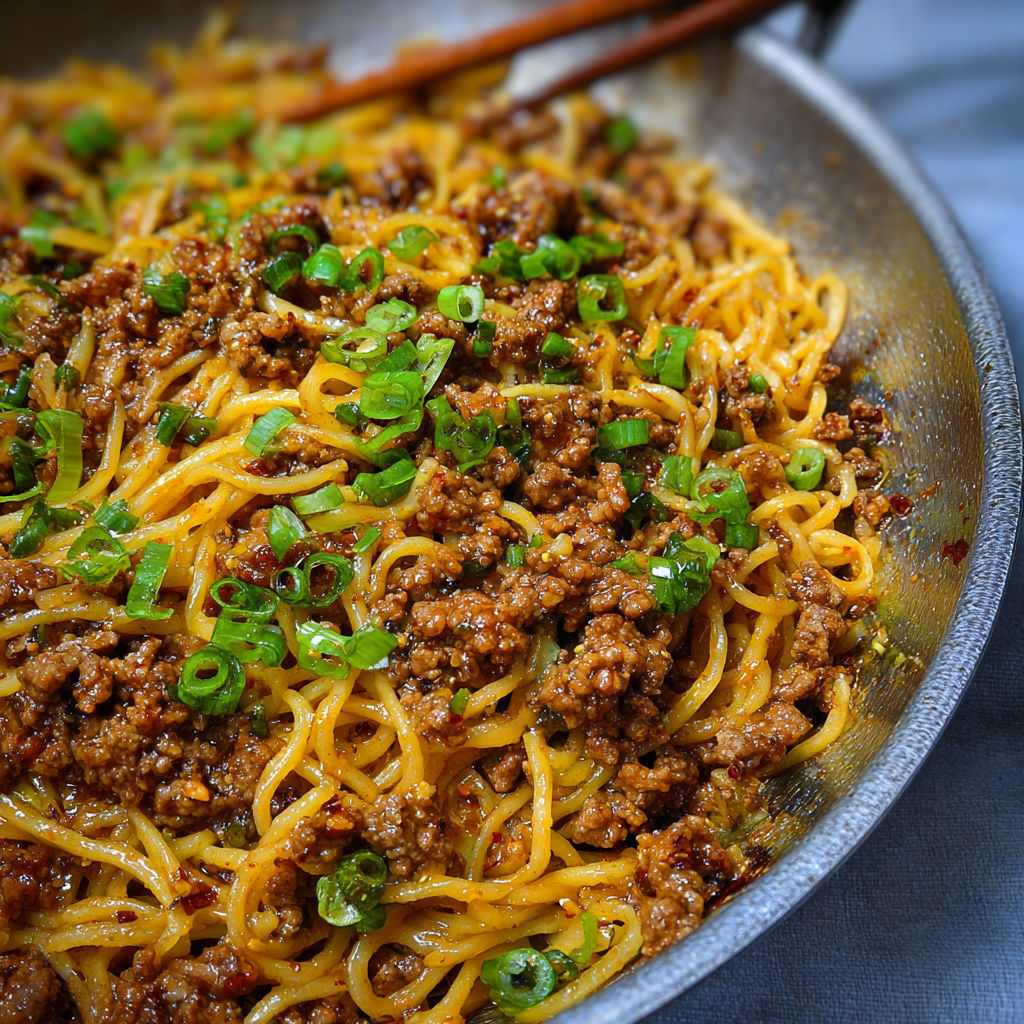
Asian Ground Beef Noodles is the answer to busy weeknights when comfort is needed but speed is everything. You get the full hit of bold flavors from a few pantry basics and it all comes together in a single pan without fuss. The glossy beef sauce coats every strand of noodle and I never see leftovers when this hits our table.
I made this dish for a friend’s potluck and it was absolutely demolished before any other dish. Now it is my go-to for both family dinners and gatherings with friends.
Ingredients
- Oil: Neutral flavored such as canola or sunflower helps brown the beef without overpowering the sauce
- Ground beef: Look for beef with a bit of fat for richer flavor avoid very lean
- Soy sauce: Classic umami boost choose low sodium if you want less salt
- Grated ginger: Fresh root is best brings brightness and warmth to the sauce
- White pepper powder: Milder than black pepper gives character and subtle heat use more if you love spice
- Corn flour: Also called cornstarch thickens the sauce to cling around every noodle lump free if mixed with cold water
- Spring onion: For a fresh crunchy finish pick bright green firm stalks
- Vermicelli: Dried rice noodles are classic though any thin egg noodle works check for non-broken strands
- Chinese dark vinegar: Tangy depth is optional but worth seeking out in Asian grocers
- Chinese chili oil: Smoky heat for those who love a kick taste before adding if you are spice shy
Instructions
- Prep the Beef:
- In a large saucepan pour in the oil and add the ground beef. Use a spoon or spatula to break the meat into small pieces as you cook over medium heat. Let the meat brown slowly about five to seven minutes. Browning carefully adds depth that builds the core flavor of this noodle dish.
- Sizzle the Aromatics:
- Sprinkle in the grated ginger and pour in the soy sauce. Stir the mixture quickly for ten to fifteen seconds allowing the ginger to become fragrant and the soy sauce to coat every bit of beef. The short sizzle is key to blooming the ginger’s aroma.
- Simmer the Sauce:
- Add a cup of water and sprinkle in the white pepper powder. Give everything a good stir. Put a tight fitting lid on your saucepan and allow the meat mixture to simmer gently for about ten minutes. Watch the liquid do not let it dry out. If it evaporates too quickly splash in extra water to keep things juicy.
- Boil the Noodles:
- While the meat simmers bring a big pot of salted water to a rolling boil. Slide in the vermicelli or noodles of choice. Cook according to the packet instructions until just al dente. This usually takes three to five minutes for vermicelli. Drain the noodles well so your sauce is not diluted.
- Thicken the Sauce:
- In a small bowl mix the corn flour with half a cup of cold water to make a smooth slurry. Pour this slowly into your simmering beef sauce. Stir constantly while the sauce thickens and turns glossy. This step helps the sauce coat every noodle strand evenly.
- Bring it All Together:
- Toss the drained noodles into the beef sauce pan and stir everything together with tongs. Make sure every noodle is slicked in sauce and heated through. Scatter the fresh spring onion slices over the top.
- Add Final Touches:
- Taste the noodles and add Chinese dark vinegar for tang or chili oil for heat. Both are optional but truly elevate the final dish.
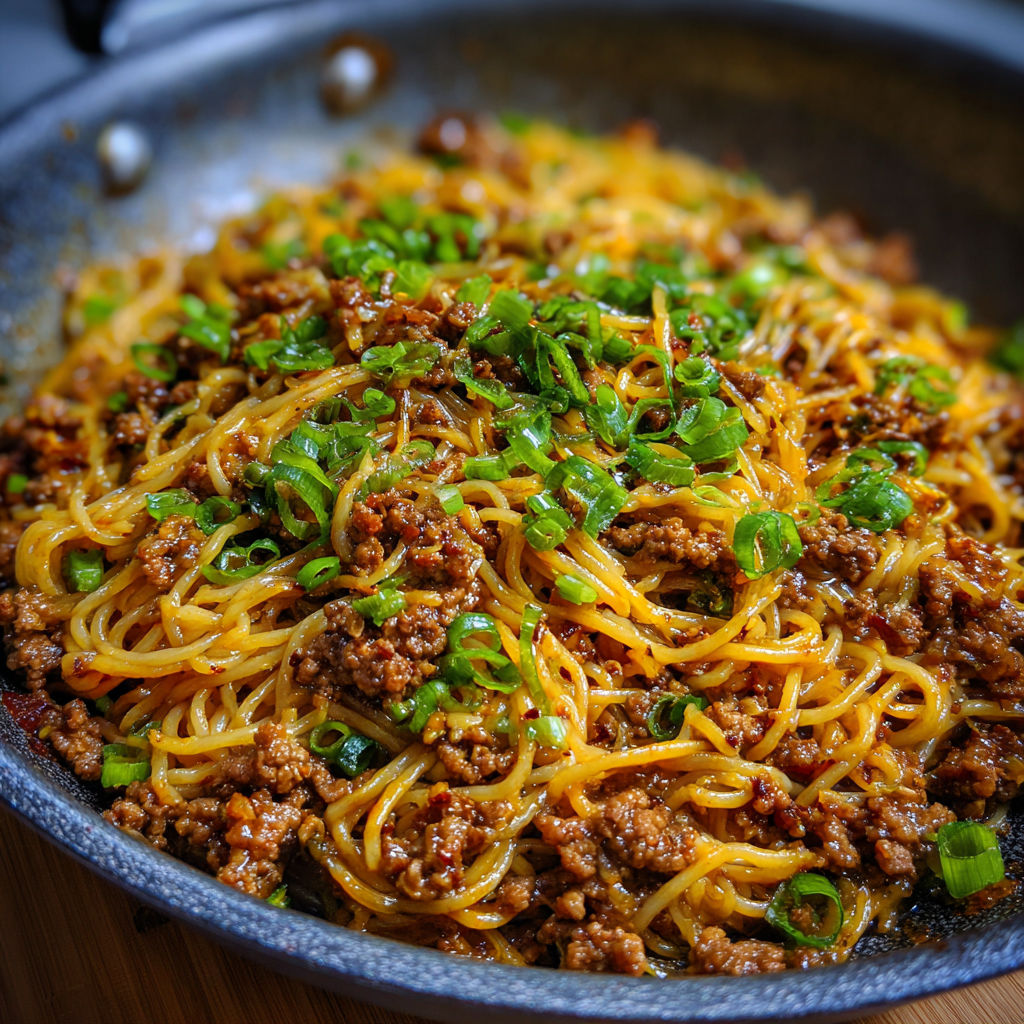
I always look forward to having spring onion in this noodle bowl. My kids love finishing the dish by sprinkling their own onions and it brings a happy pop of freshness every time. Once my nephew declared he liked this even better than takeout and that still makes me smile.
Storage Tips
Let leftovers cool then place them in an airtight container and refrigerate for up to three days. To reheat splash a bit of water in the noodles and gently warm them in a skillet so the sauce loosens up but does not burn. Noodles do not freeze well in this sauce as they tend to turn mushy once thawed.
Ingredient Substitutions
Ground chicken or turkey easily replaces ground beef if you want a lighter option. If you do not have vermicelli try thin spaghetti or ramen noodles. Tamari can be used instead of soy sauce for a gluten free twist. If you are out of fresh ginger ground ginger powder works but use half as much.
Serving Suggestions
Serve this dish as the star of a busy weeknight or double it for a casual dinner party. It pairs nicely with quick steamed greens like bok choy or snap peas. For extra crunch crush a handful of toasted peanuts on top just before serving or add a side of pickled vegetables.
Cultural and Historical Context
Versions of ground beef and noodle dishes are found across Asia each layered with their own regional twists. This recipe draws from the earthy comfort of Northern Chinese home cooking where meat and noodle combinations are beloved for their affordability and heartiness. Dark vinegar and chili oil are staple table condiments in these regions seen on every family dinner table.
Seasonal Adaptations
Scatter in snow peas or sliced bell peppers in spring. Add finely shredded cabbage in autumn for silky texture. Top with fresh cilantro or basil leaves in summer.
Success Stories
A long time friend made this recipe after losing faith in her own kitchen skills. She texted me that her kids gobbled up every last bite and had second helpings. I have had guests ask for the recipe before leaving the table. With its reliable flavors this noodle bowl always delivers happiness.
Freezer Meal Conversion
The cooked beef sauce freezes quite well. Cool it down and pack in a freezer safe bag or container for up to two months. Thaw in the fridge and reheat while boiling up fresh noodles to combine just before eating. This keeps the noodles from getting soggy and makes meal prep a breeze on busy days.
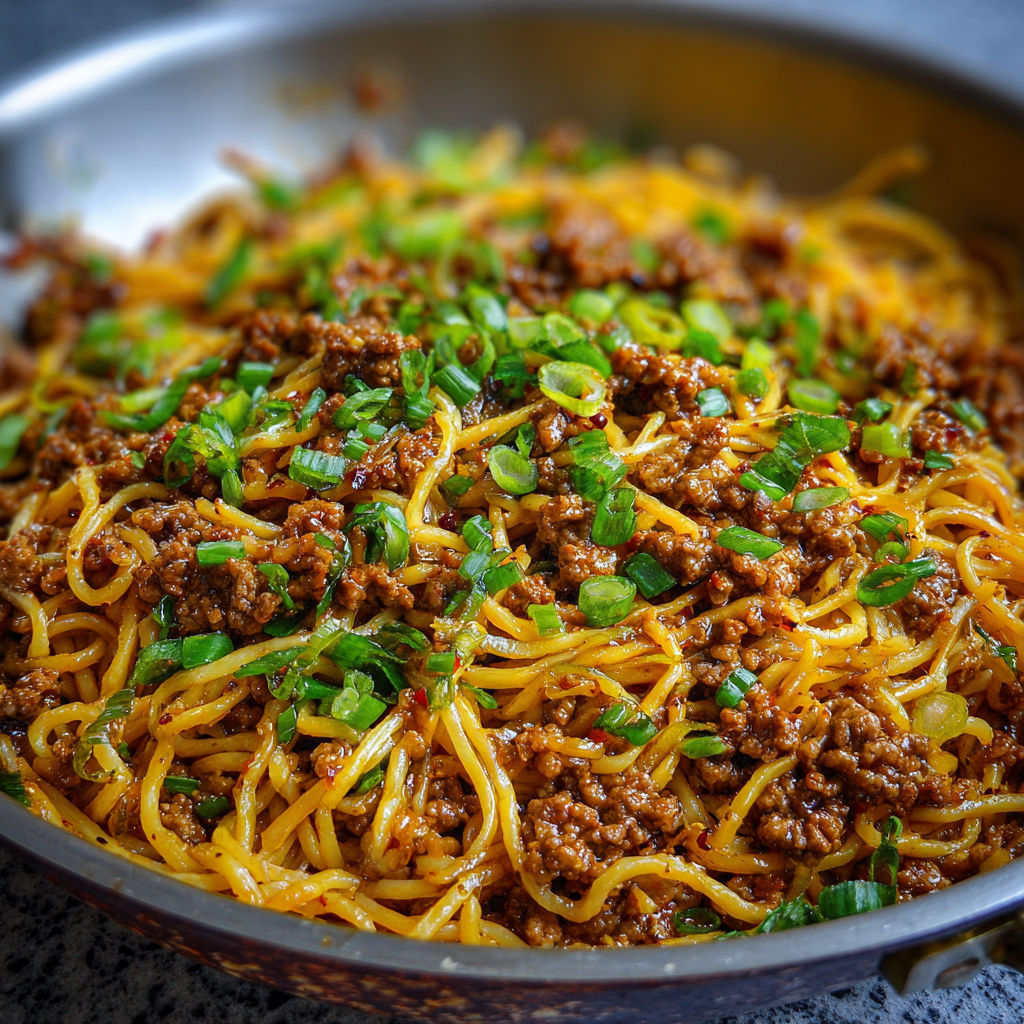
This noodle bowl is hearty bold and sure to become a dinnertime favorite. Make it once and you will want it in your regular rotation.
Recipe Q&A
- → Can I substitute another type of noodle?
Yes, you can use egg noodles, udon, or rice noodles based on preference or availability.
- → How spicy is this dish?
The spiciness depends on the amount of white pepper and chili oil added. Adjust to your taste.
- → Is Chinese dark vinegar necessary?
The vinegar is optional but enhances the savory taste. It can be omitted if unavailable.
- → Can I use other meats instead of beef?
Ground chicken, pork, or turkey work well as alternatives to beef in this noodle dish.
- → What vegetables pair well with these noodles?
Bok choy, mushrooms, or shredded carrots can add extra texture and nutrition to the dish.