
 Pin
Pin
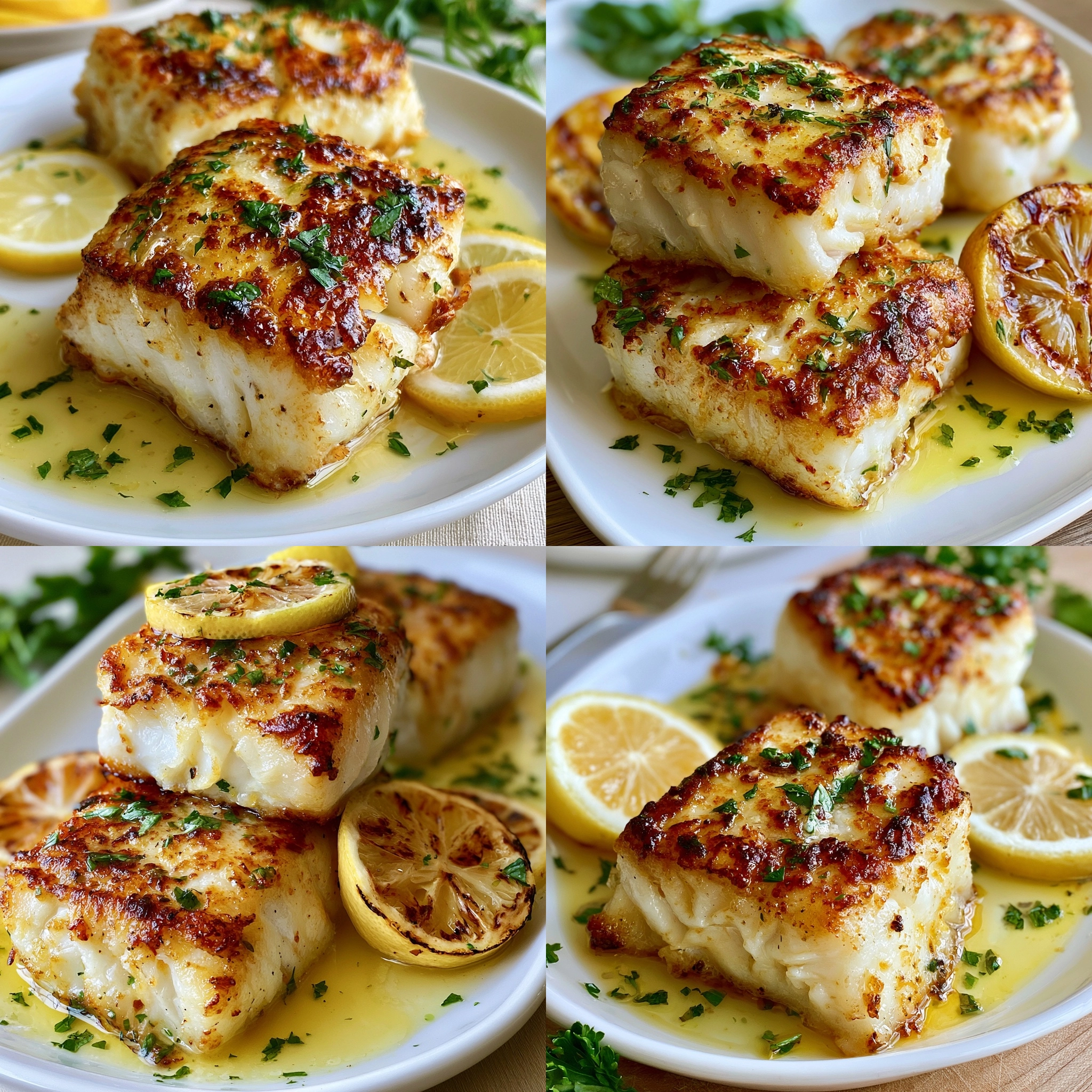
Few dinners feel as luxurious and satisfying as a flaky restaurant-style Chilean sea bass. This dish brings the flavor and silky texture of a fine dining experience right to your kitchen and makes an ordinary weeknight feel special.
I first served this to my husband on an anniversary at home, and he swears it tastes better than what we have had at our favorite seafood restaurant.
Ingredients
- Chilean sea bass fillets: look for pieces with the skin on for crispy texture and easy flipping
- Butter or ghee: gives rich flavor and helps form a golden crust
- Olive oil or avocado oil: helps prevent the butter from burning and gives subtle flavor
- Salt and black pepper: always use freshly cracked pepper and just enough salt to make the fish stand out
- Fresh lemon juice: from a large juicy lemon brings brightness and balances the richness of the sauce
- High quality unsalted butter for the sauce: browns beautifully and blends with the lemon for a silky finish
Instructions
- Pat the Fillets Dry:
- Carefully blot both sides of the sea bass fillets with paper towels until totally dry to help get a crisp sear and to keep the seasoning on the surface.
- Season the Fish:
- Sprinkle salt and pepper generously over both sides of each piece making sure to coat the edges as well for full flavor.
- Heat the Skillet:
- Place a large heavy skillet on the burner and add butter and oil. Set the heat to medium high. Wait until the butter stops foaming and sizzles gently before moving on.
- Pan Sear the Sea Bass:
- Gently lay the fillets into the pan skin side down first. Let them cook undisturbed for three to four minutes. If you try to flip them and they stick, let them cook for ten to fifteen seconds more until they release on their own. Flip and cook the other side for the same amount of time or until the fish flakes easily with a fork and the internal temperature is between 140 and 145 degrees Fahrenheit.
- Make the Lemon Sauce:
- While the fish is finishing, melt the butter for the sauce in a small pan over medium low heat. Let it brown ever so slightly so it smells nutty and deep. Whisk in the lemon juice, more salt, and black pepper until everything is well blended and glossy.
- Serve:
- Once the sea bass is just cooked, transfer to plates and spoon the warm lemon butter sauce right over the top. Serve immediately for the best taste and texture.
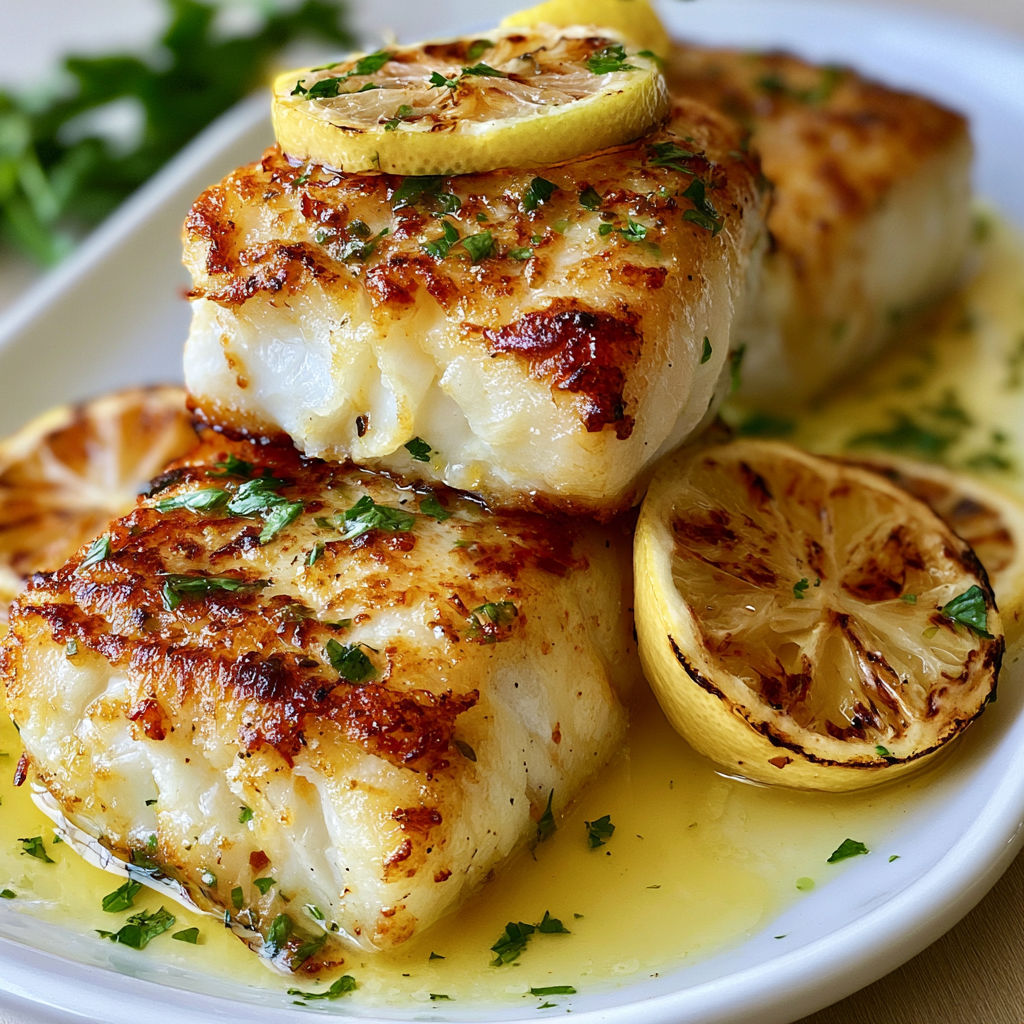
The sea bass itself is my favorite part since its mild and buttery flavor makes even picky eaters happy. When I was a child, my mother prepared fish with lemon on big Sunday dinners. The scent of browning butter and citrus brings back those cozy memories every time I cook this for my family.
Storage Tips
Store leftover fish in an airtight container in the fridge for up to two days. Gently reheat in a nonstick pan over low heat to preserve the tender texture. The lemon butter sauce can be stored separately and warmed just before serving to keep its smooth consistency.
Ingredient Substitutions
If you cannot find Chilean sea bass, black cod or halibut make excellent alternatives due to their similar texture and rich flavor. Avocado oil can be swapped for olive oil for a milder taste. Dairy free butter substitutes work well for lactose free needs and keep the sauce creamy.
Serving Suggestions
This fish is perfect over a bed of herbed rice, creamy mashed potatoes, or sautéed greens. I love serving it with roasted asparagus or blanched green beans for a light but elegant meal. Offer extra lemon wedges at the table so everyone can adjust the brightness to their taste.
Cultural and Seasonal Notes
Chilean sea bass is prized globally for its delicate flake and sweet taste. Its popularity soared in upscale restaurants during the nineties as diners sought refined yet simple preparations. Spring and early summer often bring the best quality fillets to markets and lighter accompaniments to the table. In cooler seasons, pair the fish with richer sides for a cozy feel.
Seasonal Adaptations
Try grilling the sea bass in summer for subtle smokiness
Serve the lemon butter sauce with capers or fresh herbs in spring
Pair with root vegetable puree in colder months for heartiness
Success Stories
A friend tried this for her family’s first holiday dinner at home and was shocked by how restaurant worthy it turned out. She said it was a showstopper that made everyone feel celebrated.
Freezer Meal Conversion
Sea bass is best fresh but you can freeze uncooked fillets tightly wrapped for up to two months. Thaw slowly overnight in the refrigerator and continue with seasoning and cooking as directed for nearly the same great results.
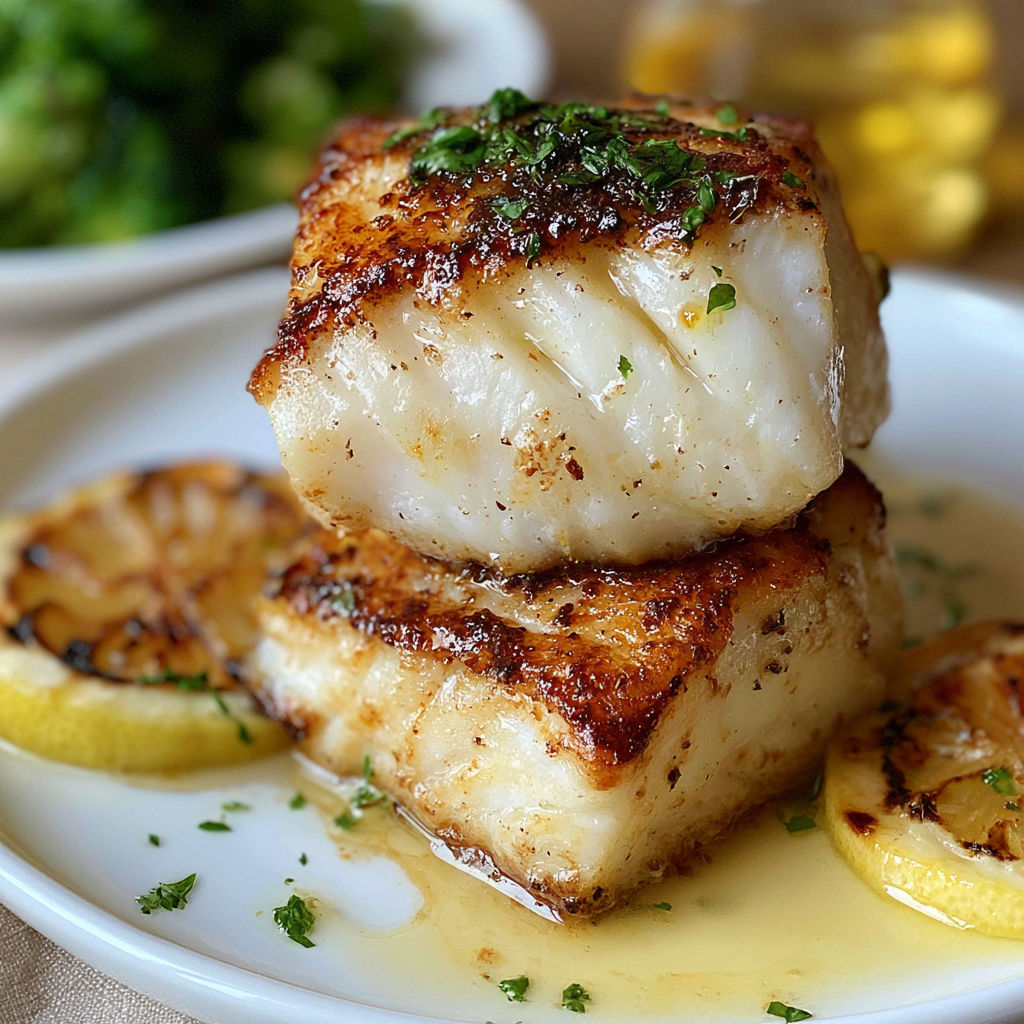
This dish makes both quiet nights and celebrations feel just a bit more special. Enjoy each buttery, lemony bite with those you love.
Recipe Q&A
- → What type of oil works best for searing sea bass?
Use olive oil or avocado oil for searing, as both provide a high smoke point and complement the fish's flavor.
- → How do I know when the sea bass is fully cooked?
The fillet is ready when it easily flakes with a fork and reaches an internal temperature of 140-145ºF (60-63ºC).
- → Can I use salted butter for the lemon sauce?
You may use salted butter, but adjust the added salt in the sauce to avoid an overly salty taste.
- → Should the fish be skin-on or skinless?
Skin-on fillets work best as the skin helps hold the fish together while searing and imparts extra flavor.
- → How can I prevent the fillets from sticking to the pan?
Ensure the pan is hot and coated with oil before adding the fillets. Let the fish naturally release before flipping.