
 Pin
Pin
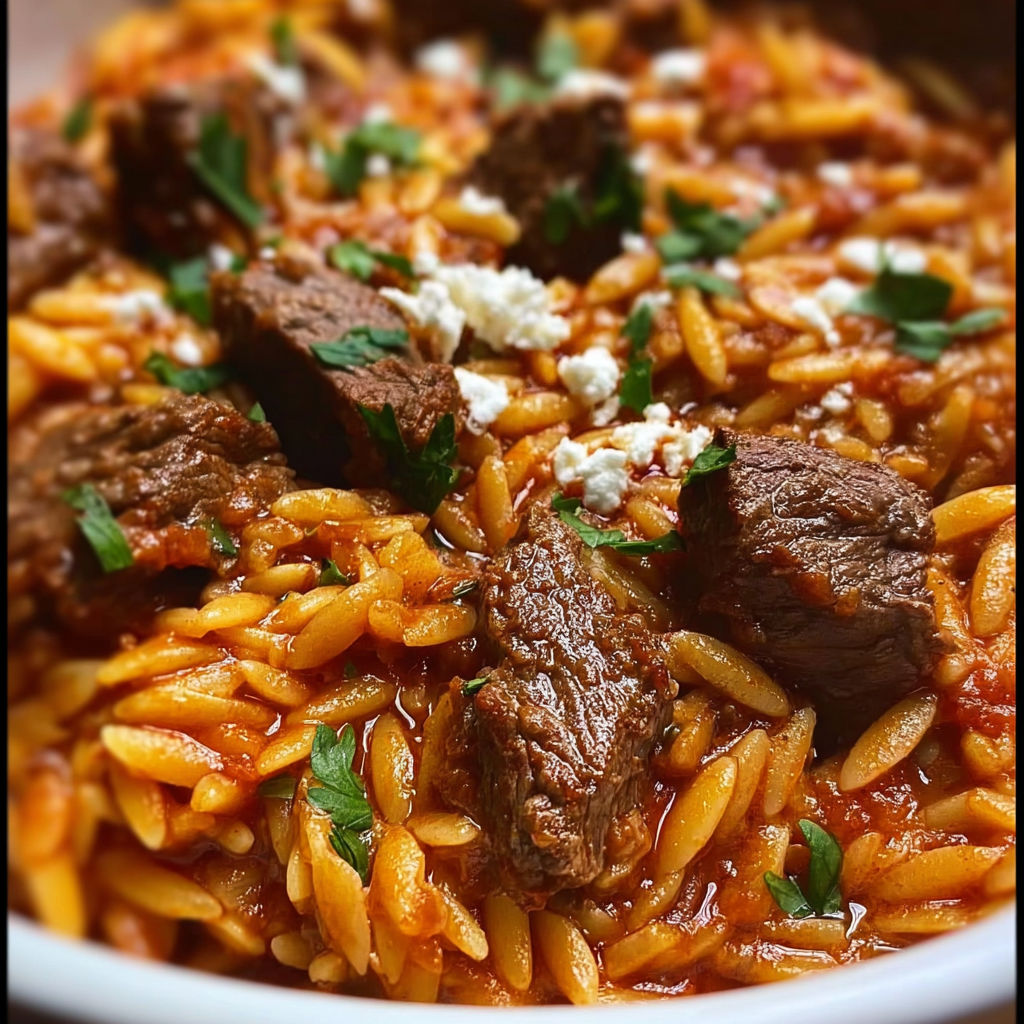
This classic Greek Beef Giouvetsi brings together meltingly tender beef, velvety tomato sauce, and orzo pasta for pure comfort in one pot. It is a dish that always reminds me of Sunday dinners when my whole family would squeeze around our kitchen table just to savor those cinnamon-scented aromas wafting through the house.
You just cannot beat how the kitchen smells after this has simmered away for a couple of hours. My kids start peeking in, asking when dinner is ready long before it is done. Every spoonful feels like a little celebration.
Ingredients
- Beef chuck or stew meat: choose well-marbled pieces for extra tenderness
- Olive oil: splurge on a fruity extra-virgin bottle if you can
- Large onion: pick a sweet yellow onion for a deep caramelized base
- Garlic cloves: always use fresh and mince finely for bold flavor
- Crushed tomatoes: quality canned tomatoes make a difference for brighter taste
- Tomato paste: double concentrate if possible for robust depth
- Beef broth: homemade or low sodium store-bought both work
- Cinnamon stick: adds signature Greek warmth and aroma
- Bay leaves: fresh or dried
- Ground allspice: this spice makes it taste authentically Greek
- Salt and pepper: always season at every layer for better taste
- Sugar: just a pinch helps balance tomatoes' acidity
- Orzo pasta: short-cut pasta shaped like grains of rice for that classic texture
- Hot water or extra broth: adjust for perfectly creamy pasta
- Grated Kefalotyri or Parmesan cheese: for a salty tangy finish
- Fresh parsley: adds a pop of color and brightness on top
Instructions
- Sear the Beef:
- Pat the beef dry with paper towels and season all over with salt and pepper. Heat olive oil in a large Dutch oven over medium-high. Add beef in batches without crowding and brown each side until deep golden for a caramelized crust — any fond stuck to your pot is flavor gold. Transfer browned beef to a plate.
- Prepare the Sauce:
- Lower the heat to medium and add chopped onion, stir and sauté gently for at least three to four minutes until translucent and fragrant — this builds sweetness. Add minced garlic and stir constantly for another full minute until you can really smell it. Spoon in tomato paste, stir for one to two minutes to intensify and mellow its sharp edge. Pour in crushed tomatoes and beef broth, then add cinnamon stick, bay leaves, ground allspice, and sugar if using — stir very well so everything is mixed. Bring to a simmer and taste for salt and pepper.
- Simmer the Beef:
- Return browned beef and juices back to the pot. Wait until you see some bubbles then cover with a tight-fitting lid. Turn heat to low and slowly simmer for up to two hours — this low slow method breaks down connective tissue and makes the beef ultra tender. Check every so often and stir if needed — the sauce will reduce slightly and should become thick and shiny.
- Add the Orzo:
- Set your oven to 375 degrees Fahrenheit or 190 Celsius. Stir the orzo directly into the simmering beef and sauce mixture. Add enough hot water or more broth until the orzo is just covered. Place the pot uncovered into the oven or keep it on the stovetop over low heat. Stir several times while baking until orzo is plump and cooked through, about twenty to twenty five minutes, adding splashes of water if it looks dry.
- Serve:
- Remove cinnamon stick and bay leaves. Scoop the Giouvetsi into bowls, sprinkle on plenty of grated cheese and a shower of fresh parsley. Serve piping hot for the most comfort.
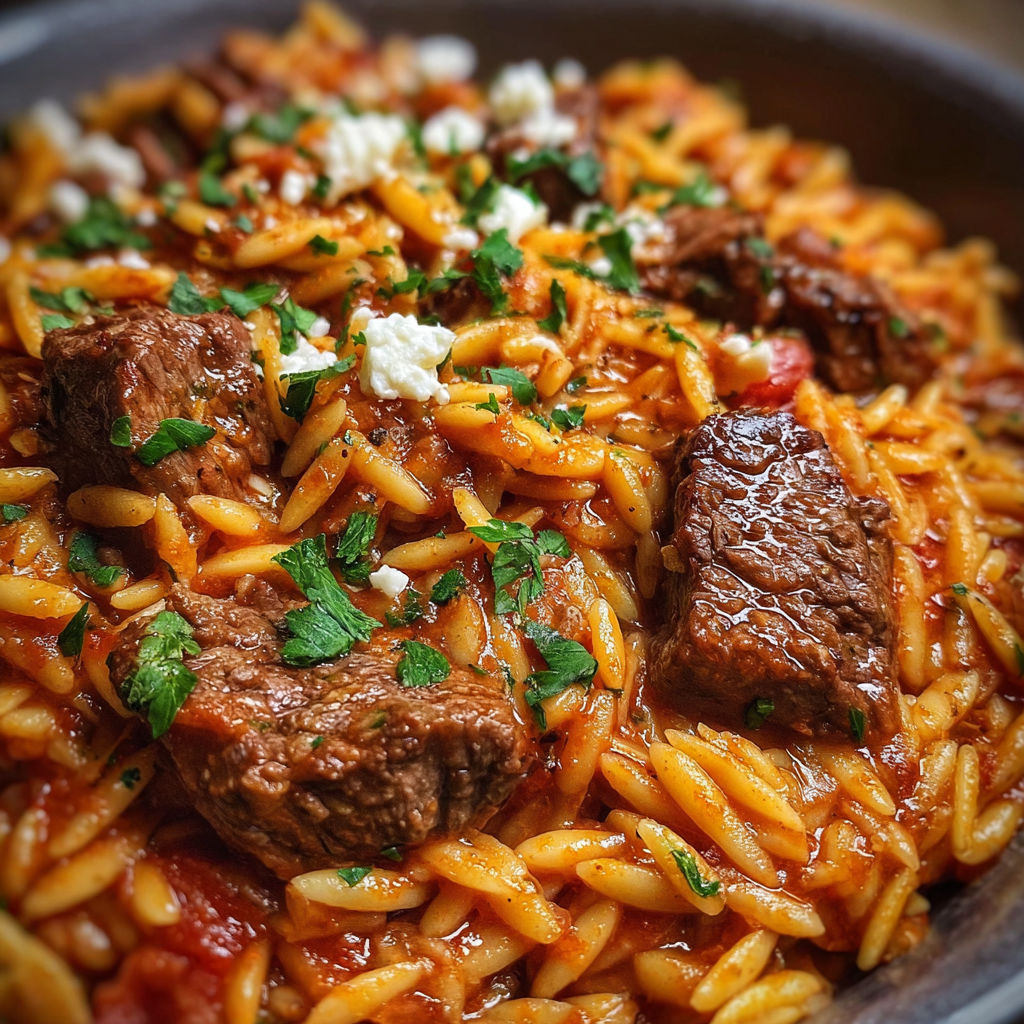
My secret favorite is the cinnamon stick which gives Beef Giouvetsi its unmistakable homey depth. One time my grandmother let me watch as she made this on her tiny stove and that smell of cinnamon and beef was pure magic. She always said this was the dish that brought everyone together.
Storage Tips
Let leftovers cool fully then store in airtight containers in the fridge for up to four days. When reheating add a splash of water or broth to loosen the pasta and gently warm over low heat for the freshest taste.
Ingredient Substitutions
If you cannot find Kefalotyri cheese, Parmesan or even Romano will add a similar savory finish. Use lamb chunks instead of beef for a richer flavor twist. Gluten free orzo pasta works fine—just keep an eye on the liquid as it cooks.
Serving Suggestions
Serve Beef Giouvetsi with crusty bread or a crisp green salad to soak up the sauce. Add a squeeze of lemon over each bowl for a little lift. Pass extra grated cheese at the table because there can never be too much.
Cultural and Historical Context
Giouvetsi is a beloved Greek family meal especially on Sundays and special occasions. Traditionally made in clay pots called giouvetsis this dish dates back centuries as a way to bring everyone together for hearty comfort food. Its aroma is a classic welcome-home scent in Greek kitchens across generations.
Seasonal Adaptations
Use fresh ripe tomatoes in summer for extra brightness. Swap beef for lamb in spring for a more festive dish. Blend in root vegetables like carrots in winter for fuller flavor.
Success Stories
I once brought a big Dutch oven of Giouvetsi to a neighborhood potluck and everyone lined up for seconds asking for the recipe. There were no leftovers at all. Even picky eaters went back for more after their first taste.
Freezer Meal Conversion
This freezes like a dream. Spoon cooled Giouvetsi into freezer-safe containers leaving a bit of space for expansion. Thaw overnight in the fridge or gently warm straight from frozen with a splash of water to restore the creamy sauce.
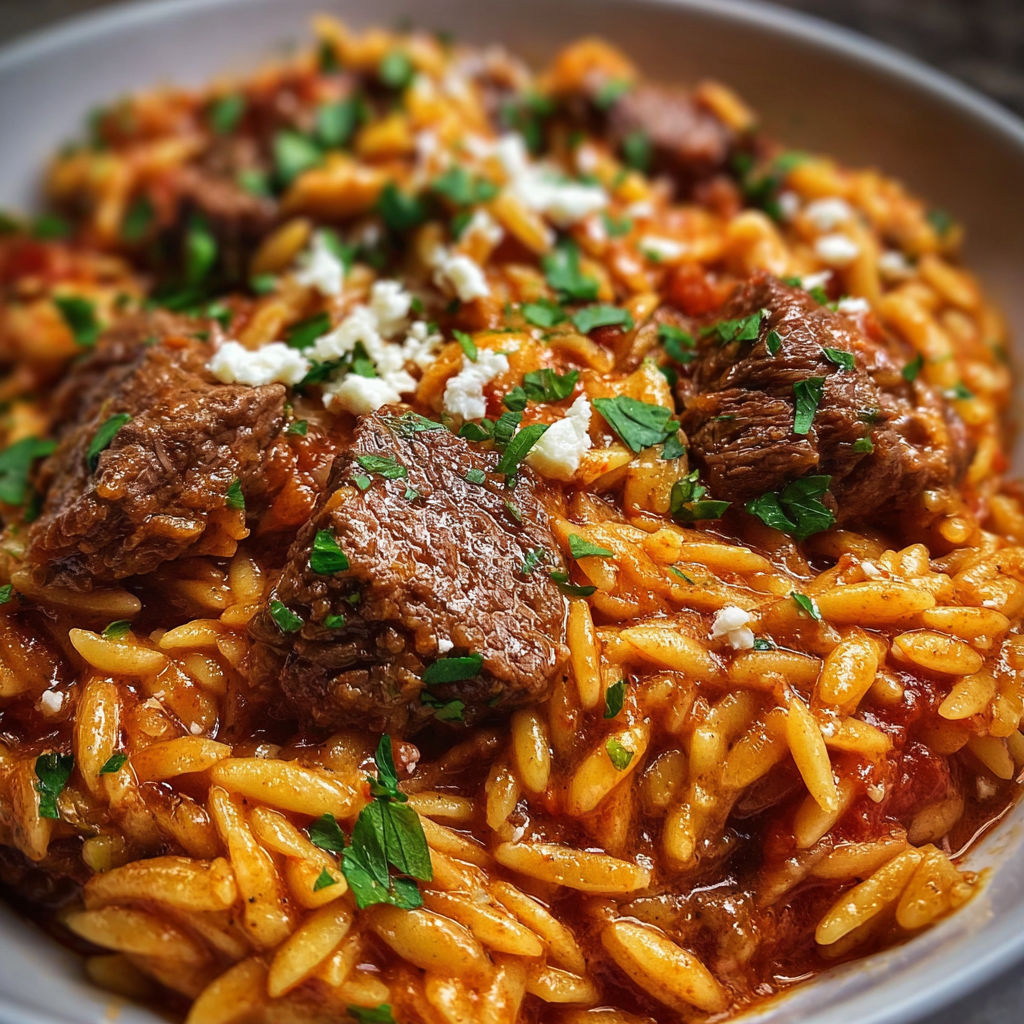
Serve this meal hot and fresh with friends and family at your table. Giouvetsi is all about comfort and tradition in every bite.
Recipe Q&A
- → What type of beef works best for Giouvetsi?
Beef chuck or stew meat is ideal, as it becomes tender during slow simmering and absorbs the flavors of the sauce.
- → Can I replace orzo with another pasta?
Orzo provides the authentic texture, but small pasta shapes like rice-shaped pasta or pearl barley are good alternatives.
- → Is searing the beef necessary?
Searing adds depth and locks in flavor, enhancing the dish’s overall richness and tenderness.
- → Why add cinnamon and allspice?
These spices offer warmth and distinctive Greek character, balancing the richness of the tomato and beef.
- → What cheese is authentic for topping?
Kefalotyri cheese is traditional, but Parmesan makes a good substitute if it’s unavailable.
- → How do I prevent the orzo from sticking?
Stir occasionally during baking and add broth or water if needed to ensure even cooking and prevent sticking.